This page may contain triggers. That is not our intention. Our goal is to allow grief to be defined truthfully ~ to describe it without holding back. The photos chosen are here to draw an honest picture of what grief looks like. They may seem brutal ~ but we know grief to be this way.
Please do not stop at the beginning, though it can be heavy. We all know the BEST part of a story is in the back of the book. Look at this page in its entirety. You won’t regret it. We promise it gets better!
We stand with The Grievers, for we also have grieved many losses in our own life. We, too, have struggled to understand our own feelings. We want you to know there is nothing wrong with you!
The ultimate goal is to share with The Grievers our blessed hope.
God gives us His promise. We hold fast ~ and we hope that you will too.
With love, Barry and Tammy
By definition, GRIEF is:
“the deep, emotional, physical, and spiritual response
to a significant loss.”
It happens naturally and cannot be stopped.
Grief is described as a heavy weight ~ a burden ~ deep pain ~ sorrow ~ anguish ~ and calamity.
No one wants to have to deal with it, yet we all do, and in many ways.
Grief is always unpredictable and unwelcomed.
The word "GRIEF" comes from the Latin adjective "gravis," which means weighty or heavy.
The old French noun "grief," means wrong, injustice, or hardship.
An old French verb "grever" means to afflict or burden.
It is important to note the word "GRIEF" encompasses each part of speech, giving it much depth.
Grief is a complex word.
It is an adjective that "describes what something is like." It is a verb that can define an "action."
It is a noun that describes a "thing."
"There is no abnormal way to grieve."
Because GRIEF is such a deep wound, there are many ways to paint its picture.
The Hebrew language expresses emotional depth with its words, and so, there are many Hebrew words for grief.
The Hebrew word for grief "YAGON" means THEDEEPEST, MOST PIERCINGANGUISH, SORROW, ORHEAVY HEART.
This is theword used mostly in thePsalms to describe the emotional toll of loss and tragedy.
The Hebrew word for grief "ETZEV" means deep sadness,emotional pain, distress, or a broken heart.
The Hebrew word for grief "TUGAH" is a poetic termmeaning heaviness of heart, profound ache, torment of spirit, ordepression.
This word is used in the Bible todescribe a "soul melting away from sorrow."
The Hebrew word forgrief"AGMAT NEFESH" meansanguish of the soul.
It isused to describe theprofound mental distress of grief.
There are many losses we can grieve in this life.
A Family may grieve the nightmare of divorce ...
Some grieve infertility or the loss of a child through miscarriage.
Many are grieving the lossof their adult children who have walked away.
This can leaveGrandParents grieving for Grandchildren who havebeen removed withoutwarning.
A photograph remains the only record of a beloved child who once was.
Children are grievingstolen innocence through many forms of horrid abuse.
People grieve the loss of pets.
Thismay seem trivial to some, but a FamilyPet is simply that = "family." No matter what the animal may look like, the pain cuts deep.
ALL GRIEF HURTS.
Many grieve the loss ofgood health.A life can become hard and frightening in an instant.
It is hard to grieve theability to do what we once could do.
Some grieve the loss of loved ones while the sting of death lingers.
Life as we knew it suddenly changes, leaving an empty void where that person once lived.
We may be grieving theloss of TIME ~ oh, how wewish we had made betteruse of it while we had it!
The grief of regret is a hard hill to die on.
Sometimes we grieve ourown choices ~ this war is heavier than most anybody realizes.
Often, this is a grief that cannoteven be talked about out loud.
"We are always just onechoice away from acompletely different life." ~ R. Hills
Some grieve a safer life,away from war-torn surroundings.
We see this more and more in this late hour. Jesus said this would happen.
Sometimes thewar a person isgrieving is not about bombs andmissiles.
Some are made to grieve thecolor of their own skin or their personal beliefs.
Oh God, how manyhave to grieve thequestion "Do I even matter?"
Most anyone would agree that2020 changed ourworld.
Though we may not fully understand thedepth of thatspiritually, we onlyhave to open oureyes to the reality around us.
Even when we don't realize it, weare grieving "the world as we knewit."
The whole earth isgroaning ~ and grieving everything behindus that is gone now.
There are so many different losses in this life, so many different things we grieve, so many not mentioned here.
Grief is a devastating emotion.
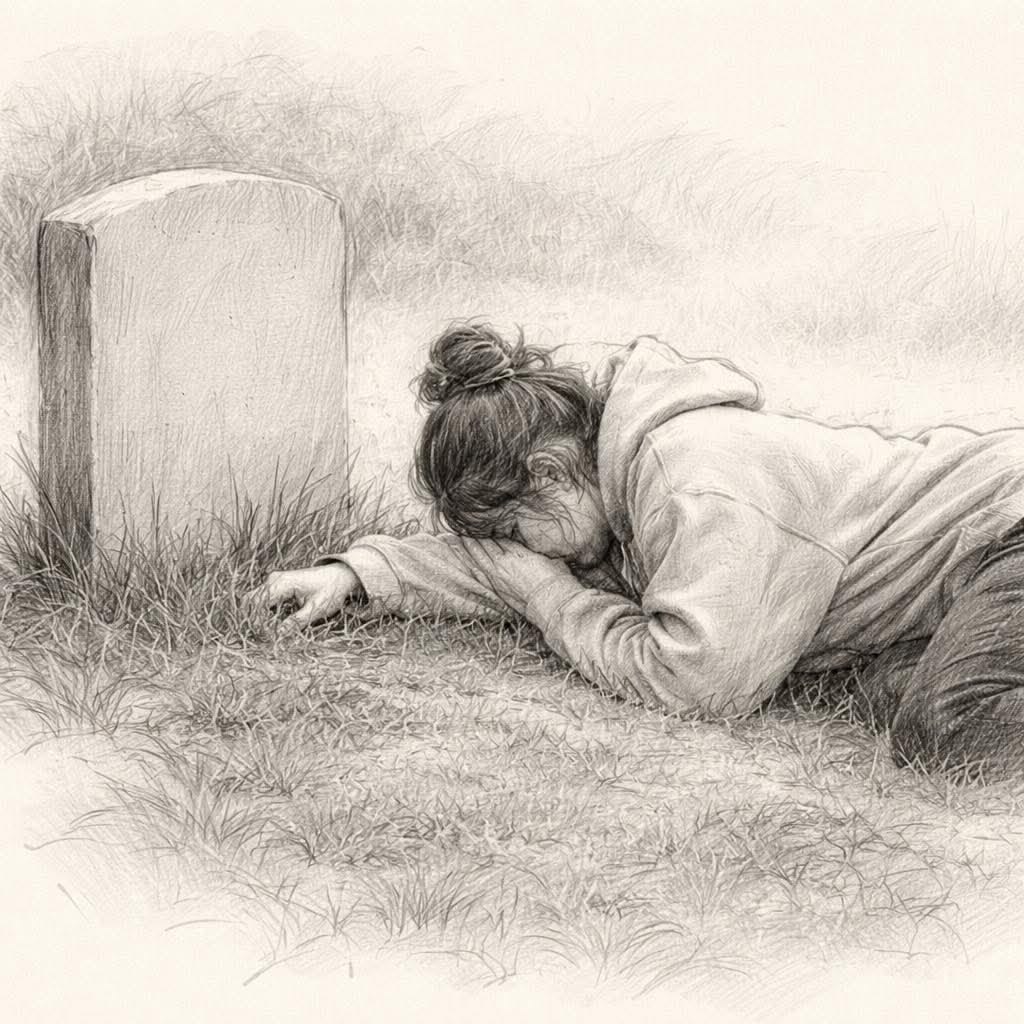
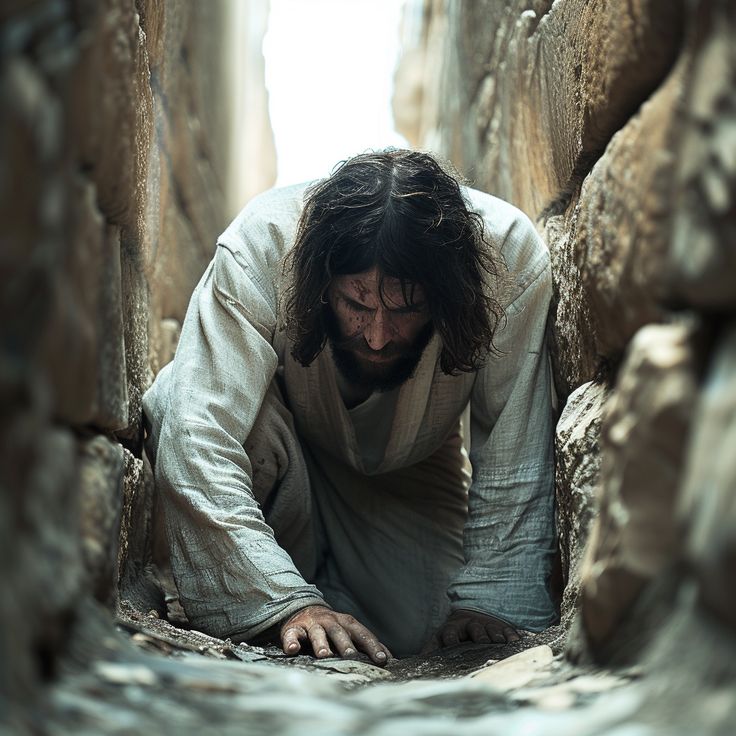
It can leave usfeeling as if we have beendropped off in a lonely, forgotten corner of theworld.
The picture says itwell.
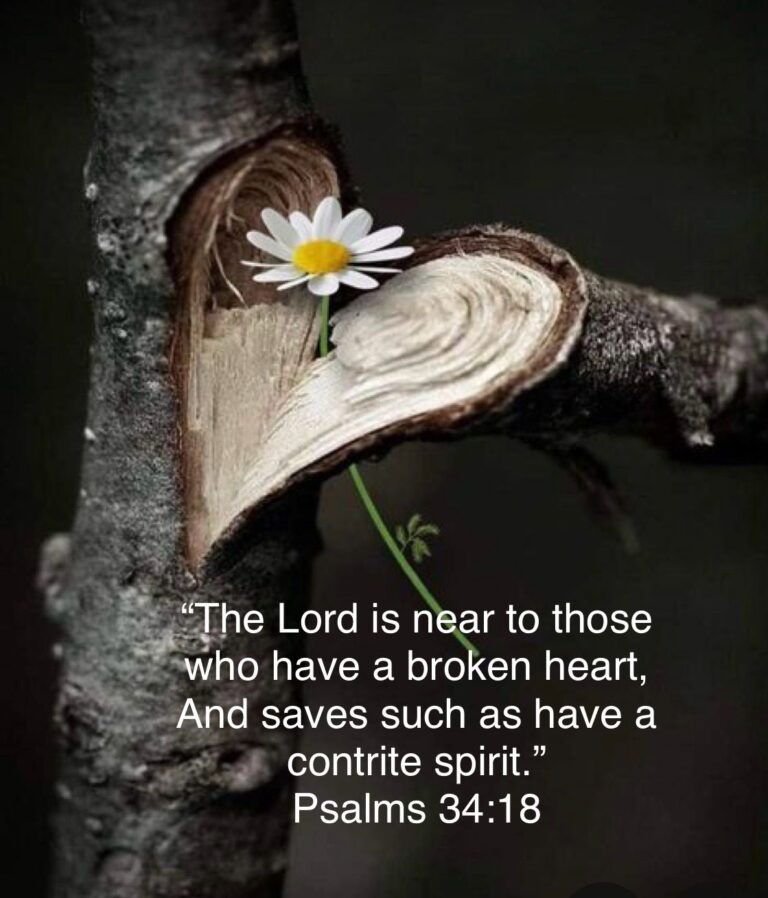
If you are grieving something, your heart may feel like it's wrapped in strands, as if time itself has bound you.
A heart, once whole, now feels like crumbling fragments falling to the ground.
Grief affects all of us in different ways. Everyonedeals with it differently.
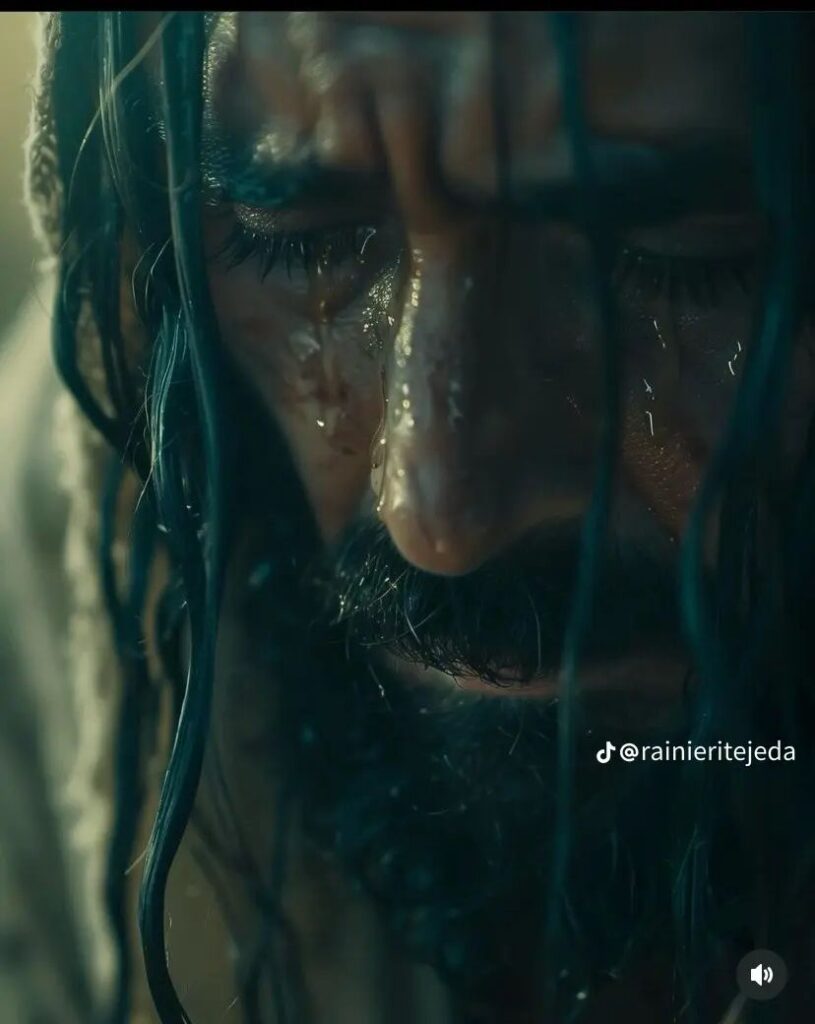
Sometimes grief shows through tears.
Although tears hurt, we can let ourselves cry. Tears are helpful in ourgrief.
God created tear ducts inside us to aid healing in times of loss and suffering.
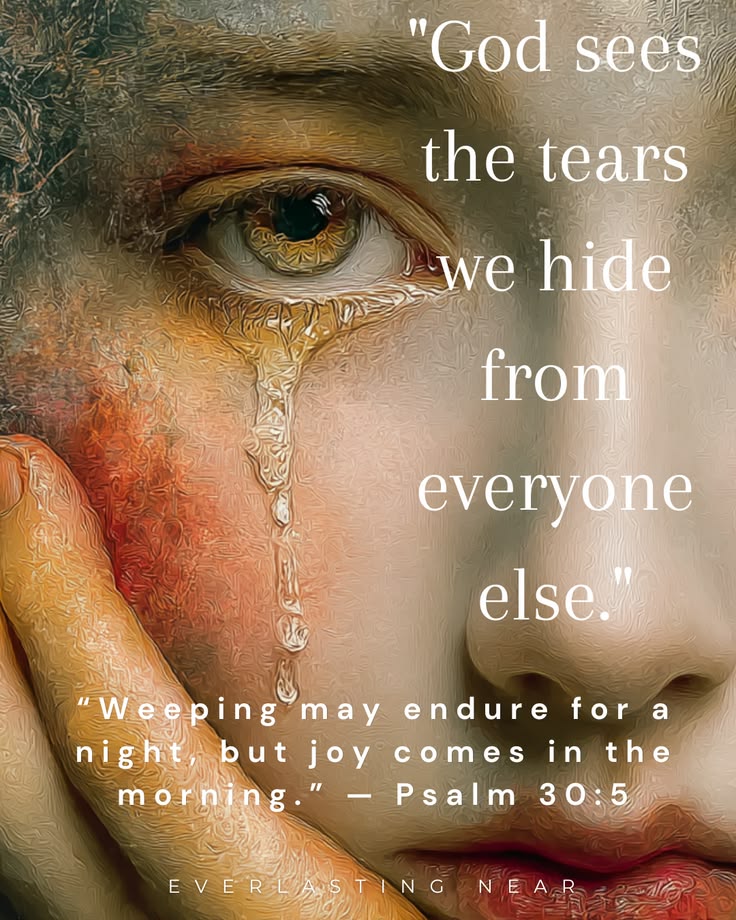
God sees every tear we cry.
Not only does He see them, but the Bible says He never loses track of them.
For The Grievers, there are tears seen by others ~ and those unseen.
God never overlooks a tear. He evenknows about the ones we hide.
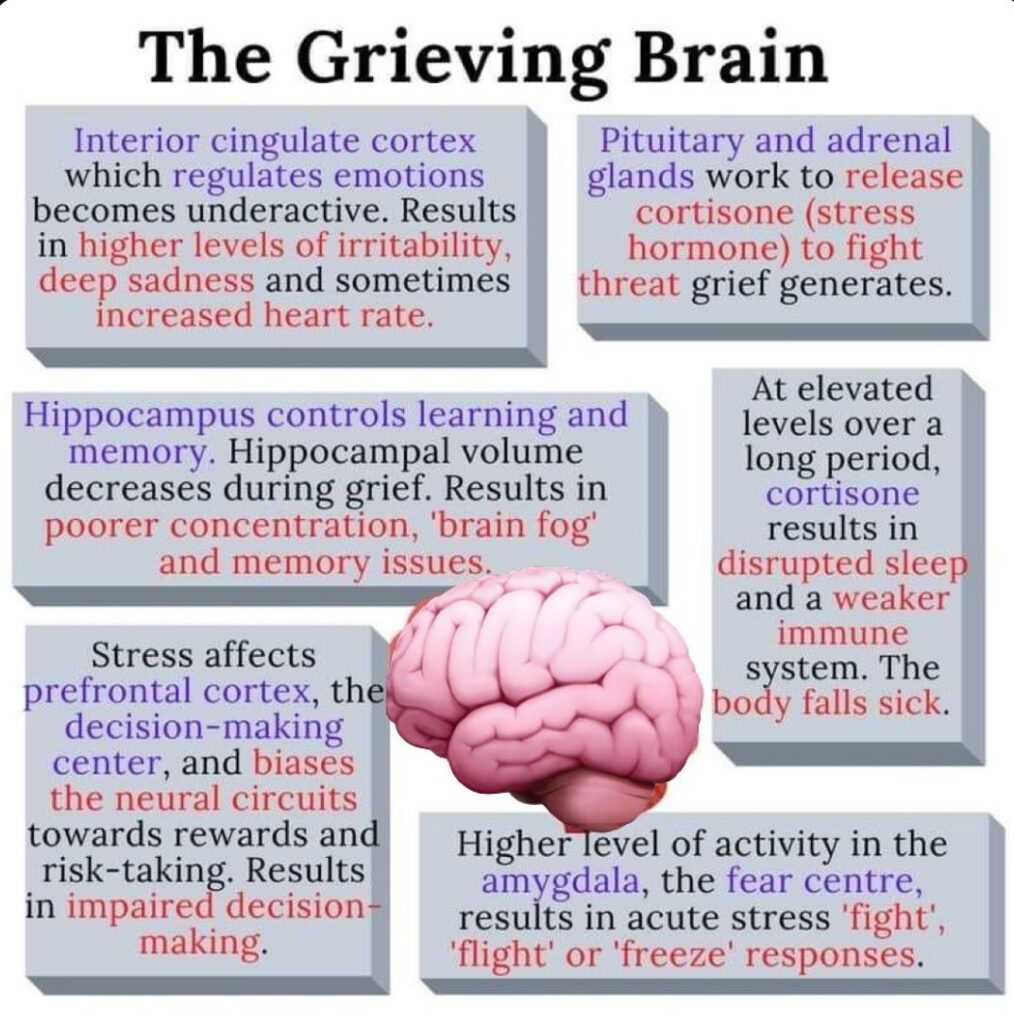
Grief can be a deep battleground in the mind. Scienceproves this fact.
Sometimes a person can look fine on the outside ~but inside, they are carrying the weight of unseen battles with a lifetime of unhealed grief.
The "silent war" with grief is often harder than the parts we talk about.
Grief can affect the physical body in many ways. It can show up in our organs, skin, bones, and bodily functions.
It is important to know if you are grieving something, you may feel like a totalwreck right now.
The good news is, THERE IS NOTHING "WRONG" WITH YOU!
Your mind, body, and soul are responding to a terrible loss.
The Bible has alot to say about grief.
The Book of Isaiah, chapter 53, tells usJesus is "acquainted"with our grief.
This means He is "deeplyup close" and personally able to understand oursuffering in grief."
To be acquainted withgrief is more than someone having a passing knowledge of it.
"To be acquainted" is a term usedto describe someonewho has endured profound loss, trauma, and anguish, giving thema heavy understanding ofthis kind of pain.
Jesus' own family did notbelieve in Him or follow Him during His ministry.
Mark 3:21 says when Jesus was working miracles, Hisownfamily came to take custody of Him, saying, "HE IS OUT OF HIS MIND!"
Jesus understands the grief of losing a Family, no matter "how" we lose them.
His heart aches when we are hurting over this terrible loss.
He endured thegrief of losing His family to help uswhen we lose ours.
It is easy to picture Jesuswith smiling faces of those He has healedaround Him.
We often forget that Jesus grievesover the condition of those who do not love Him.
Luke 19 shows us Jesus weeping over the city ofJerusalem.
When Hecame near to it, the Biblesays He grieved over thespiritual blindness of thepeople, the way theyrejected His message, and the coming destruction of it.
Jesus suffered this agonyso He would know howwe feel.
When we grieve over those who are lost in sin, or those who once knew their wayand have fallen, He is grieving alongside us.
The shortest verse in theBible perhaps gives usthe best picture of how deeply Jesus understands our pain.
In John 11, we find Jesusgrieving over His heartbroken friends. Their brother Lazarus hasdied.
Jesus understood their grief in death.
The Bible tells us Jesus "groaned in His spirit and was troubled" when Hesaw them.
Not only did He understand their grief, but He could see their misunderstanding of whoHe was and how He couldhelp them.
Knowing that Jesus' grieved at the home in Bethany can be a healing balm whensomeone we love dies.
It can be comforting to know He understands this kind of great loss ~ and everythingthat comes with it.
A sudden change inlife as we knew it, a longing for the physicaltouch of that person, or the dark nights alone, He cares about you.
"Tears are a language that God understands."
Lazarus is not the only death Jesus grieved. In Matthew 14, He receivesthe news of John the Baptizer's beheading.
When Jesus heard this,He withdrew in a boat to be alone to mourn.
We can learn alot about how Jesus understands ouranguish in the deathof our loved ones throughthese stories.
Jesus grieved themdifferently, and for different reasons.
In Bethany at Lazarus' home, He grieved in frontof a crowd.
When Jesus grieved over John's death, He just wanted to be left alone.
Jesus wants us to knowthere is no "perfectly right" or "perfectly wrong" way to grieve our losses.
Sometimes we forget toeat. Other times, we eat too much.
Some days we can't get out of bed. Others arespent franticallysearching to fill the hours to keep us from "thinking."
Grief looks different in us all.
Is it possible the Bible contains these 2 very different pictures of Jesus dealing with Hisown grief to show us that grief is necessary?
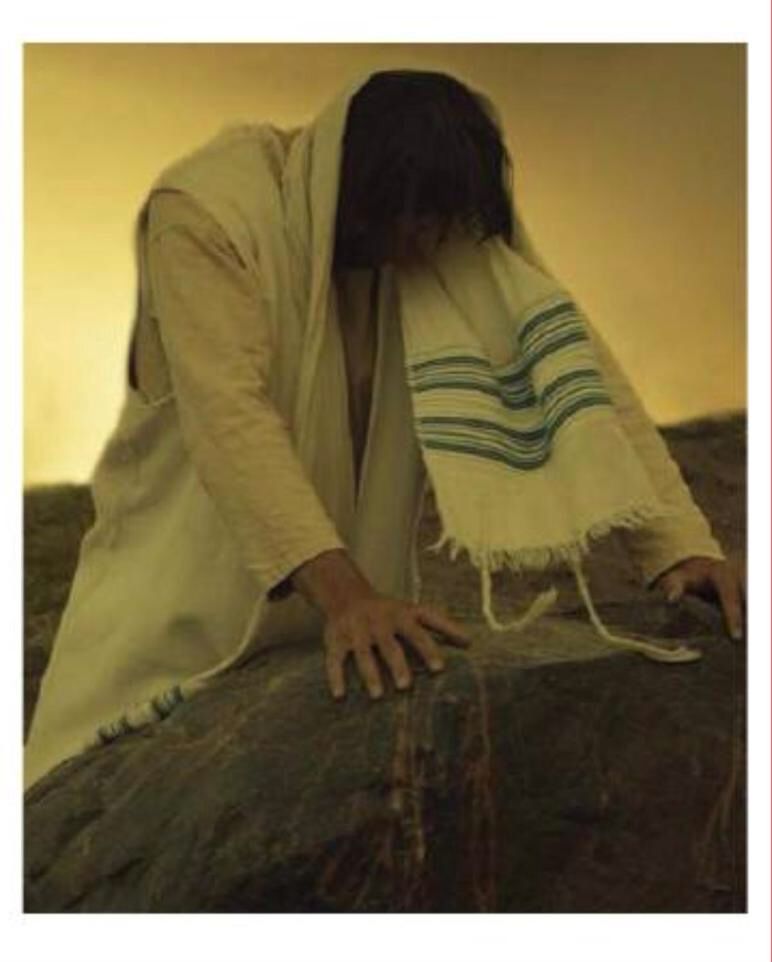
Perhaps the most graphic picture of Jesusgrieving is found in a garden.
Jesus knows the time for Him to dieis near.
He knows the physical pain His body will feel.
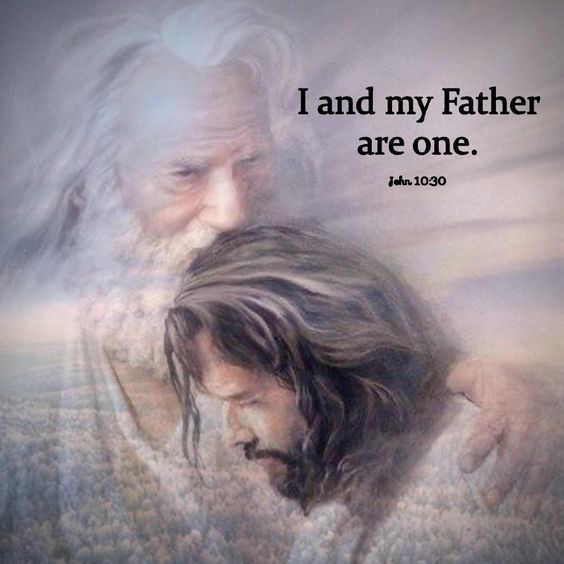
Deeper than this, He knows thatseparation from His Father is onthe horizon.
Jesus had never felt a day without His Father.
In Matthew 26:38, Jesus uses wordsto describe His grief that are onlyrecorded one time in the Bible.
Jesus said, "I am overwhelmed with GRIEF, even unto death!"
His Words "even unto death," describe an agonyso deep that mean "This grief is so severe that Ifeel I might die before I even get to the cross."
Jesus' Words prove that deep, overwhelming grief, despair, or emotional agony is a natural human response to grief and suffering, and not a spiritual failure.
Jesus has not, nor will He EVER, fail.
If He struggled with grief, we can too.
Jesus' Words in Matthew 26 teach us some important things about GRIEF and GRIEVERS.
When Jesus saidHe was "overwhelmed withgrief," He was speaking from araw human emotion.
In this moment, He spoke fromANGUISH in His grief.
The Words used in Matthew 26:38 describe feelings of EXTREME GRIEF.
These words signify a breaking point where the weight is so heavy it drains all of a person's physical, mental, and emotional strength. This emotional trauma Jesus was suffering was so deep it felt like it was crushing the life breath out of Him.
Jesus had to feel thisacheso we could know He understands ours.
He taught us a deep lesson about The Grievers while Hesuffered in Gethsemane.
Jesus wanted us tounderstand that Grievers are sufferingspiritually,and do not want to be far from God.
Jesus asked His disciples to watch and pray for Him in His heaviest hour.
When He needed them most, He found them sleeping and asked, "Could you not stay awake with Me onehour?"
Jesus' humanity had a need for support in His grieving moment.
He wants us to understand there is nothing wrong withneeding help to getthrough anything that hurts.
May we never be guilty of "not staying awake one hour" with The Grievers.
The Bible never ignores, belittles, or bashes the reality of grief. Jesus Himself validates that experiencing REAL and RAW humanemotions is a very "Goddesigned" part of wearing skin.
A message from Jesus in the Garden of Gethsemane:
"The Grievers are allowed to be REAL and RAW."
Reminder: This can look extremely ugly, really scary, and very messed up.
So, is there any comfortin grief?
It is one thing toknow Jesus understands it, but it is another to really FEEL that truth.
We cannot simply definegrief, and draw its ugliest pictures, but not leaveany HOPE in its hardship.
That would be like opening up an abused soul, stirring its contentsaround, then leaving thatmind open and exposed with no cure.
The good news is Jesuspromised to never leave us ~ no matter what we are going through. Because grief is something He understands, He willnever want us to be alone in it. He knows how thatfeels.
The Bible gives us many promises to help us through our hardest times.
One of His mostcomfortingpromises is that He will NEVER leave us, forsake us, or abandon us.
No matter whatyour grief looks like,
through it all ~
the ups and downs,
the sleepless nights,
the fears,
the questions,
the anger ~
hold fast to His promise.
When the Churchcalls you "unworthy," He calls you His Friend.
When the raincomes downstrong, He covers the downpour.
When the burden is too heavy, He lets you hitch a ride.
When the battlegoes long, He won't leave the fight.
When it's too bigfor little words, He knows where you hide.
When you lose your way in a troubled sea, He'll lead you backHome.
If the grief doesn't end when the funeral is over, He stays in the night.
When they didn'tbelieve you aboutthe monster, He saw it all.
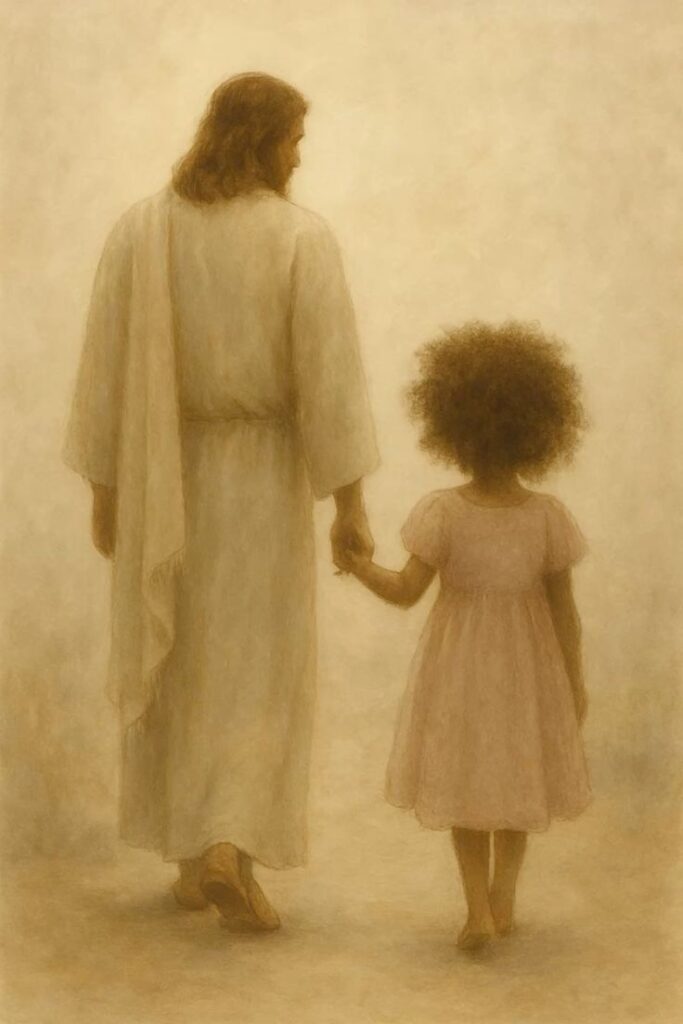
When the bully is bigger, He bends down to eye level.
When the chains lock you tight, Healready owns the keys.
When you are the one, He leaves the99.
When the hurt cut you deep, He sat with you in it.
When the occultpit was dark, His Light shines brighter.
No matter grief's source, His promiseremains.
He will never leave you ~ and He will get you through it.
Although we cannotescape the struggle with grief in this world, it canbe reassuring to know He goes through it with us.
Everyone knows the best partof a story is always in the back of the book.
The Book of Revelation reminds us even grief ends in a BEAUTIFUL PROMISE!
Jesus becameacquainted with our pain, not only to let us know He understands it, but also to know how badly we need it taken away.
Because He loves us, God made aglorious plan tosave us from hell ~ and to give us Hispromise to end grief forever.
By giving His Son, Jesus, to die, He offered us His giftof eternal salvation.
This gift not only saves us from hell,but rewards uswith eternal lifewithout grief, heartache, or pain.
It is important toknow that we must be born again to reap the promisesof God ~ in this life and in eternity.
When we believe in Jesus Christ andaccept Him as ourSavior, His blood washes us clean.
We must strive to make Him Lord ofour life, trustingHis ways andfollowing His instructions.
The Bible tells us Jesusdefeated satan when He died and rose again.
He made an open show of the puny one, triumphing over his plans to steal, kill, and destroy.
Jesus owns the keys todeath, hell, and the grave.
If we belong to Him, He gives us the strength andpower to overcome grief in this life.
How good to know ifJesus is our Lord, Hisstrength will carry us through whatever comes.
The best part is, He promises to make ALLTHINGS new for every believer ... and to wipe away EVERY tear from our eyes ~ forever!
What a beautiful gift from Someone who REALLY understands grief!
The best part is, unlike us, when He makes a Promise, He always keeps it.
We can trust God to finish the story He hasstarted writing in us.
How comforting to know the grief we feel "earth-side"will end in beauty from the ashes "Heaven-side!"
He left us with comforting Wordsin Revelation.
What a beautifulway to bring grief to an end ~ andbegin our eternity without it!
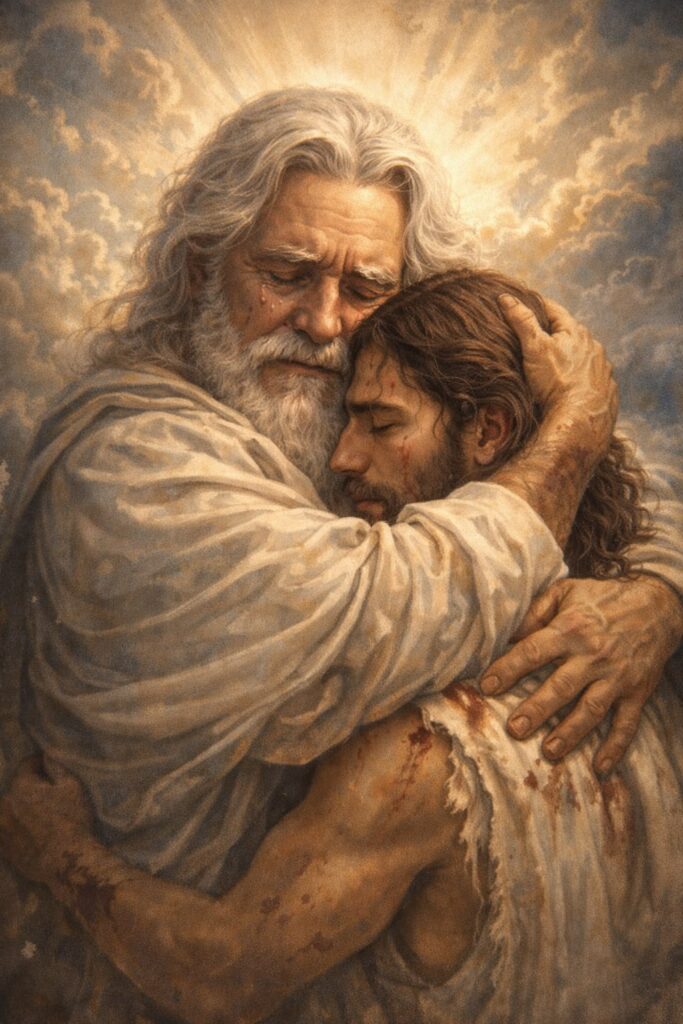
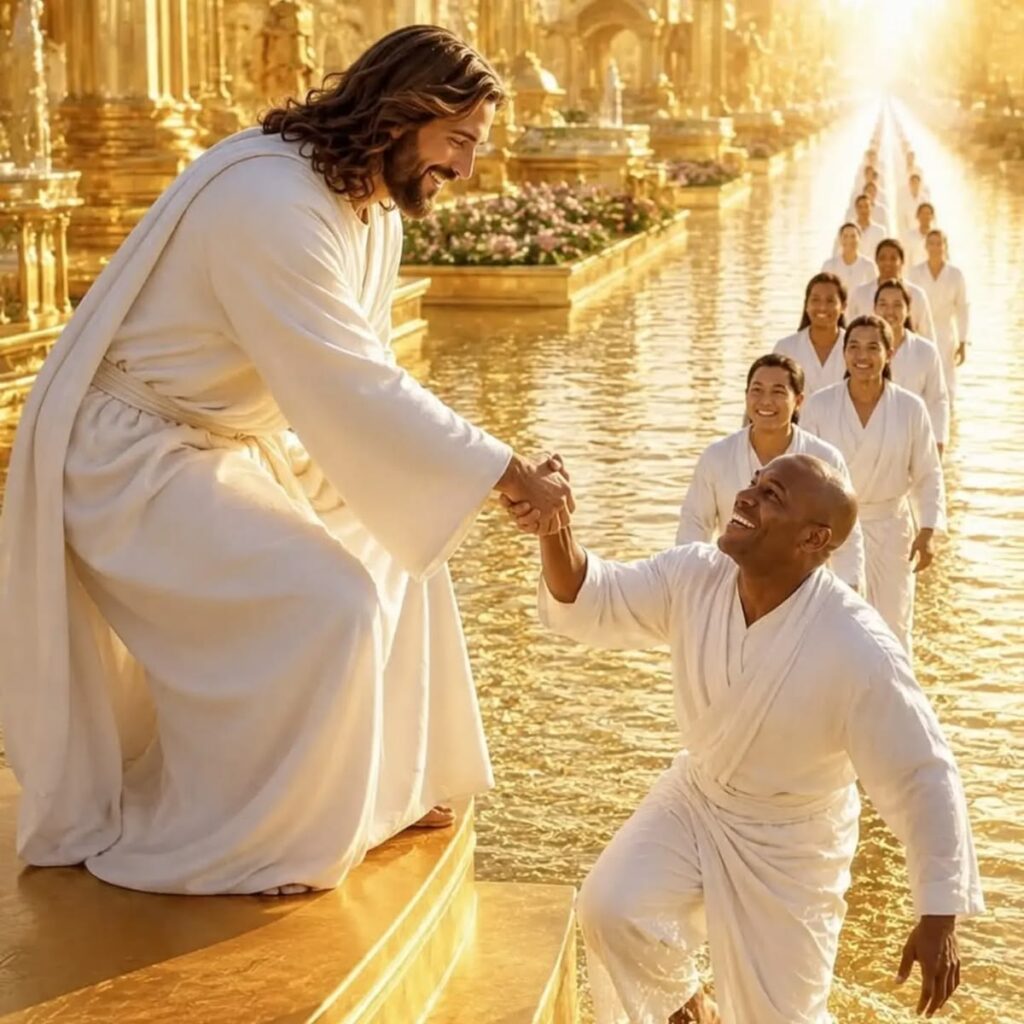
When grief overtakes you, imagine the scene ...
He promises agrand reunion with those who are partof His Family ~ and yours.
Oh, what joy He has promised those who believe in Him!
His promise to take ourgrief away helps us get back up, keep pressing, and stay in the fight.
One day it will all be over!
"The day He wipes our tears will not just be a reward ~ it is a promise being kept."
With His promise in view, we press toward theprize.
Though grief is relentless, may we never lose sightof the promise that awaits.
A letter to The Grievers:
If you have viewed this page, it is my heartfelt prayer that somehow, in some small way, God has used these words to comfort your heart and mind.
There is no real way to fully define what grief looks like in all of us. Yet, perhaps by showing what it looks like in Jesus, we can catch a glimpse into His understanding of ours. May His suffering while on this earth help us know we can come to Him when we are struggling ourselves.
Most of all, my prayer is for each of us who truly believe in Him to cling to His eternal Promise. Though the measure of grief here is overwhelming, God is relentlessly working to bring an end to it for His children. What a day awaits those who endure to the end ~ when He wipes EVERY tear ~ and ends grief for all eternity!
Let us strive today to hold fast to Him now, even with grief in our soul. One day, soon, we shall see Jesus face to face! I’ll be there … and I hope you will be too.
By the way, when you see me cross the finish line with tears flowing, snot running, calling His Name, and it looks like I slipped?
Please don’t help me up.
I’ve been waiting my whole life for this moment.
Oh, how I long for the day when I get down there on purpose … flat on my face in front of Him, My God. I believe His promise. I know He’s coming to erase it all, to tell me “IT’S OVER, MY CHILD, welcome Home.” He will wipe every tear from my eyes and I will know finally, GRIEF LOST.
What a wonderful day awaits us who believe in Him!
Keep going, Friend. Please don’t lose hope. Hold fast. Tell Him when it hurts. Keep your gaze on His face. It will be worth it after all. That’s a promise.